
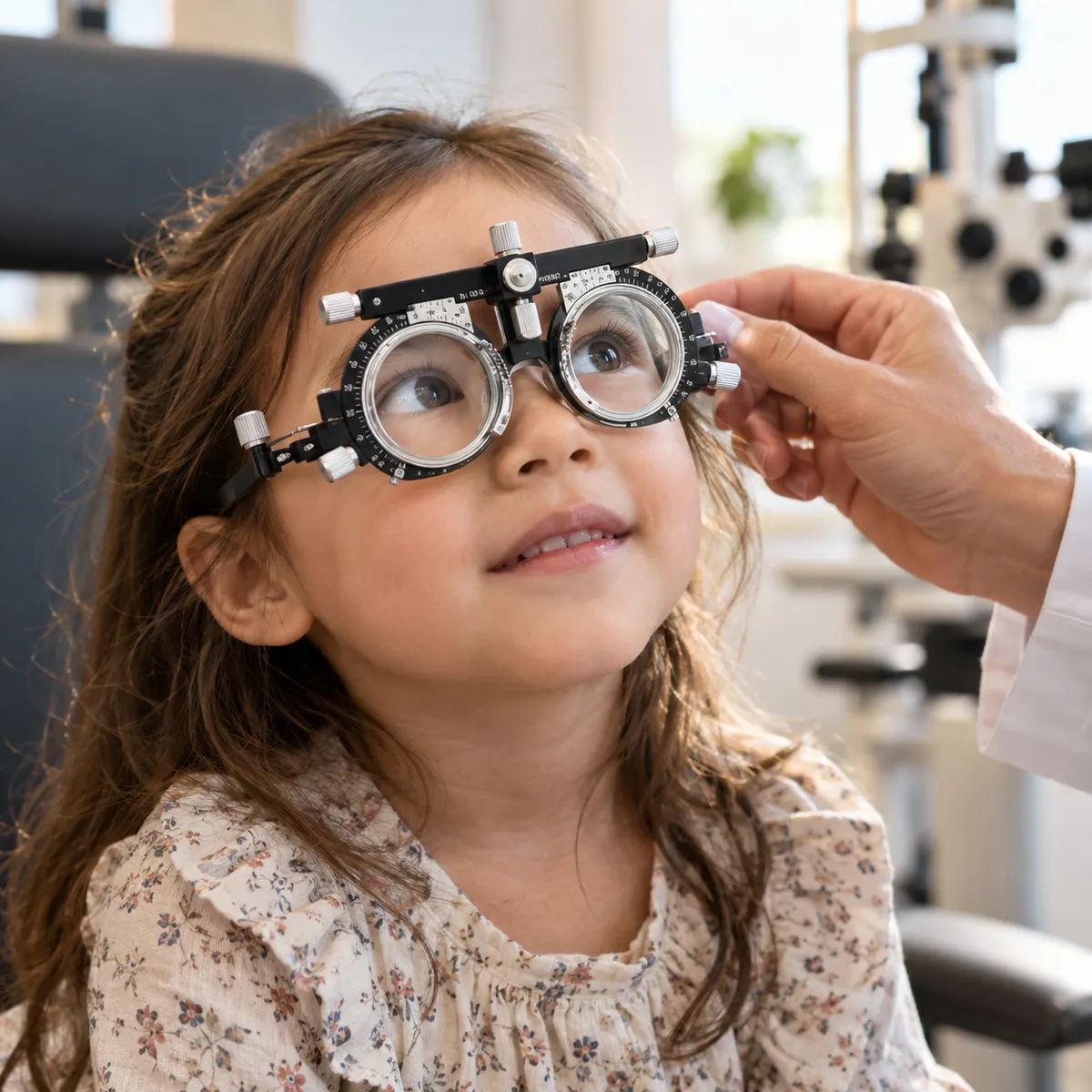
A full eye examination, properly done
An eye examination at Taiwo Opticians checks how clearly you see and how healthy your eyes are, from the front surface to the retina.
What happens in an eye examination?
An eye examination measures how clearly you see at distance and up close, checks whether glasses or contact lenses would help, and looks at the health of each part of the eye. The optometrist examines the eyelids, cornea, lens, optic nerve and retina, and usually measures the pressure inside the eye.
Many eye conditions, including glaucoma, macular degeneration and diabetic eye disease, cause no symptoms in their early stages, so a regular eye examination is how they are often found. NHS sight tests are free for eligible patients, such as children, people aged 60 and over and people with diabetes or glaucoma.

Who is it for?
- Adults who have not had an eye test in the last two years
- Anyone noticing blurred vision, headaches or eye strain
- People with diabetes or a family history of glaucoma
- Drivers who want to check they meet the DVLA eyesight standard
What to expect
- 01
History and symptoms
We ask about your vision, general health, medicines and any family history of eye conditions.
- 02
Vision and prescription
The optometrist measures your vision to see whether glasses or contact lenses would help.
- 03
Eye health check
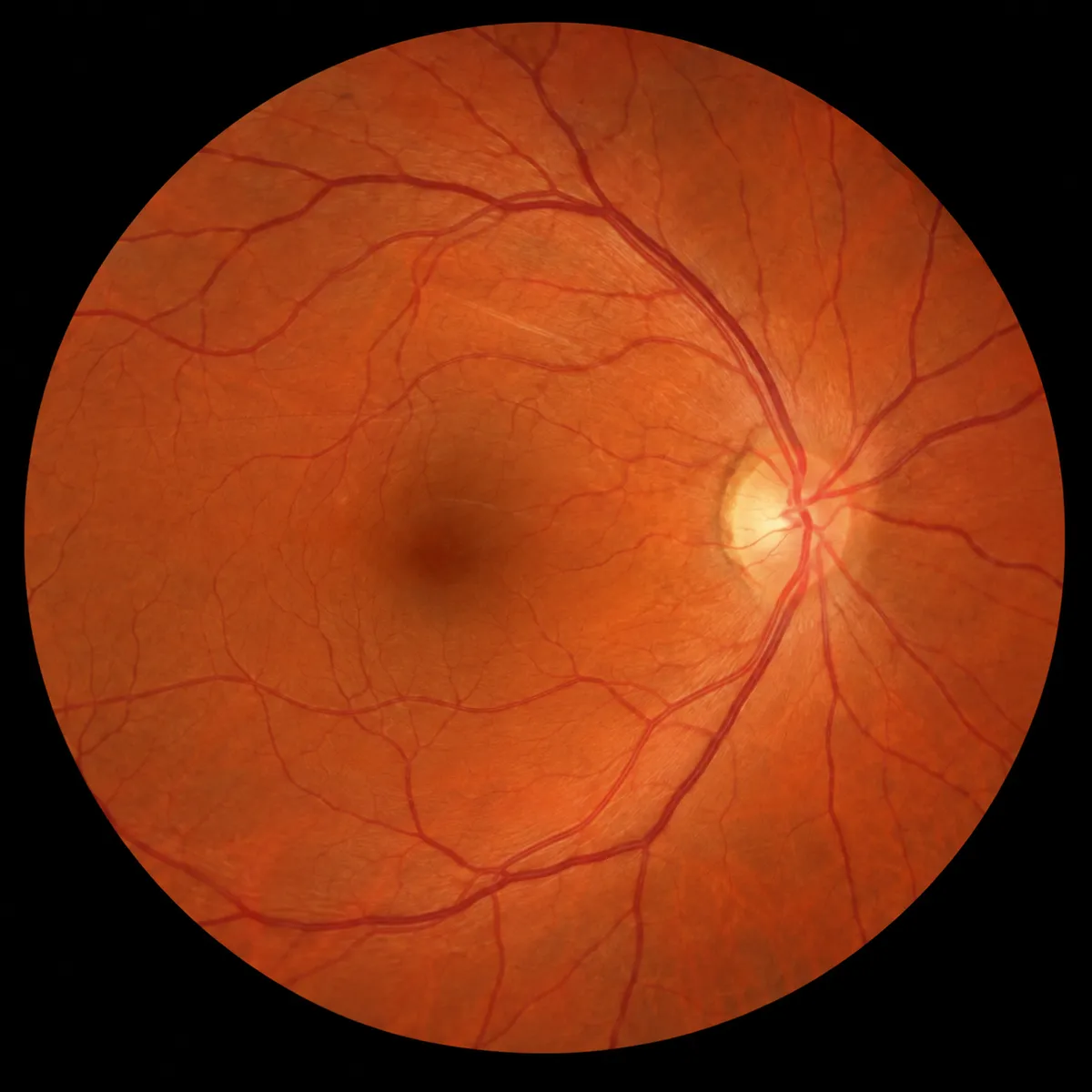
A look at the front and back of each eye, an eye pressure check and imaging when it adds useful information.
- 04
Results explained
You leave knowing what we found, whether anything needs watching and when your next test is due.
What happens after my eye examination?
If you had dilating drops, your vision may be blurry and sensitive to light for a few hours, so bring sunglasses and do not drive until it settles. If you need glasses, you get a copy of your prescription. Anything that needs a specialist is referred through your GP or the hospital eye service.
Common questions
The NHS advises most adults to have an eye test every two years. Your optometrist may suggest more frequent tests, for example if you have diabetes, a family history of glaucoma or are aged 70 or over.
Related services
- 01 OCT scans and retinal care Retinal imaging to help find and monitor macular degeneration, diabetic eye disease and other conditions. £30
- 02 Dry eye care Assessment and advice for gritty, burning or watery eyes. £45
- 03 Glaucoma checks Eye pressure, optic nerve and visual field checks, with referral when needed. £0 with NHS
Book eye examinations
Book online in a minute, or call and talk to a real person at the front desk.
- Opening hours
-
- Monday to Friday09:00-17:30
- Saturday09:00-13:00
Book an appointment
Choose a service and a time that suits you. We confirm by phone or email within one working day.